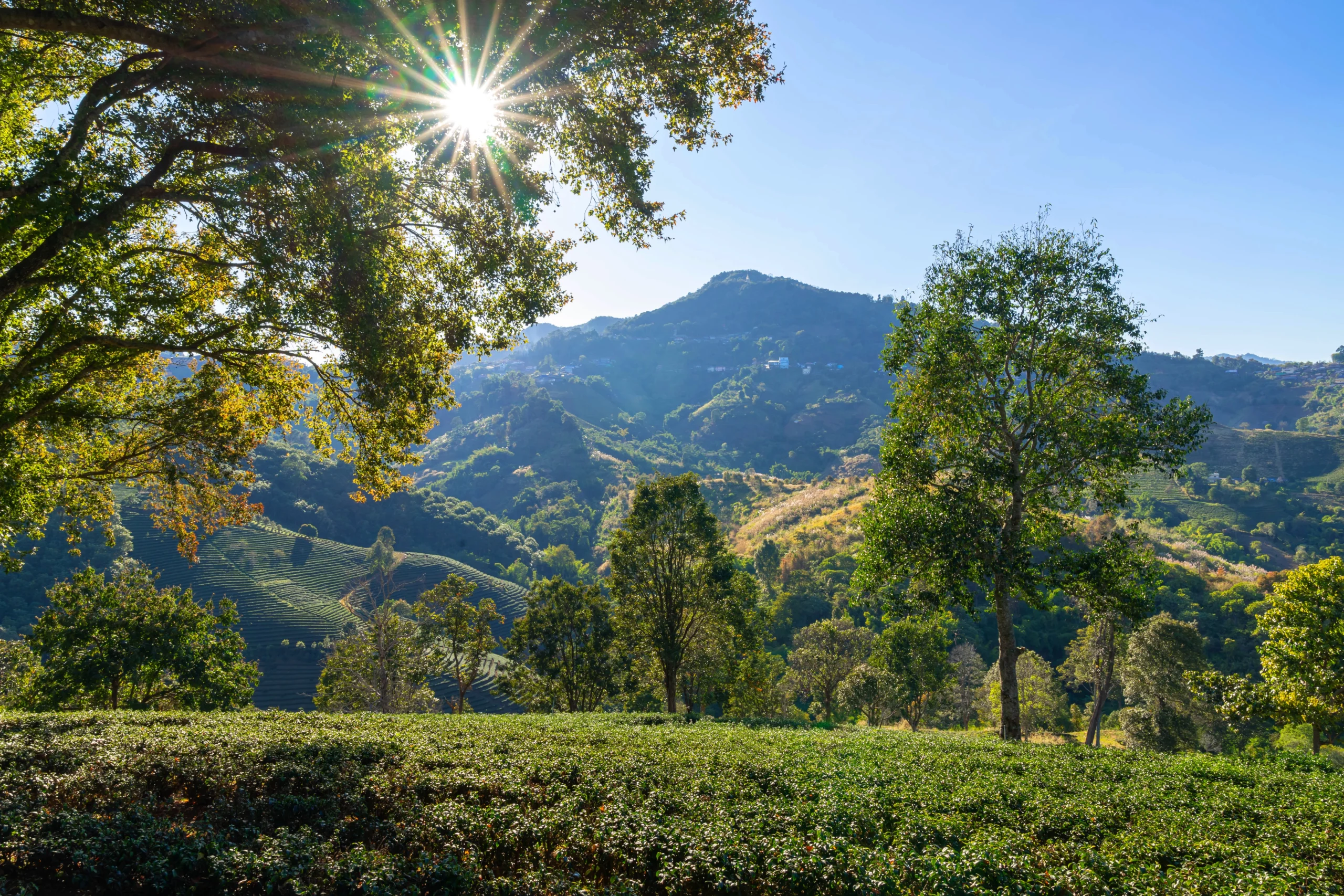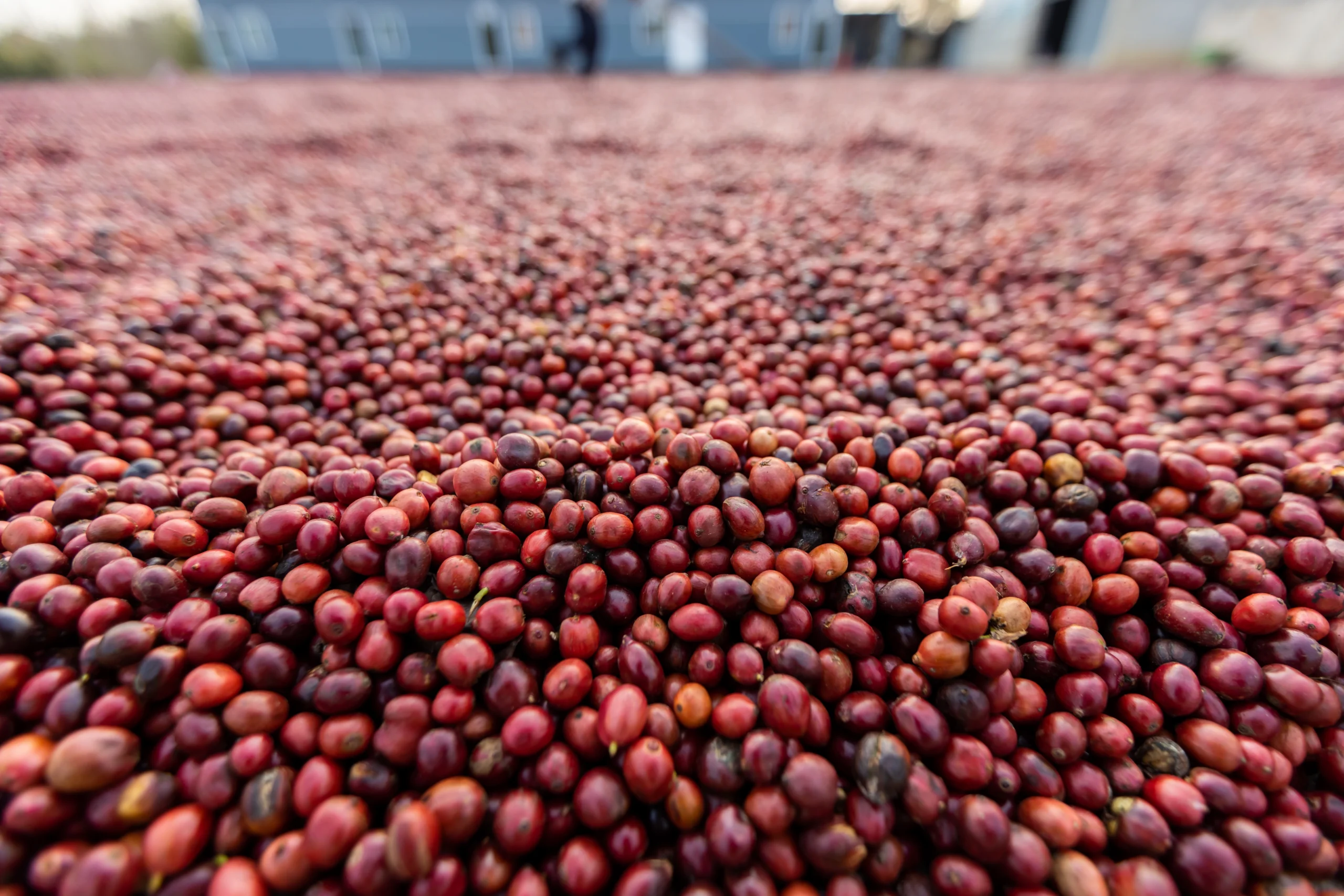
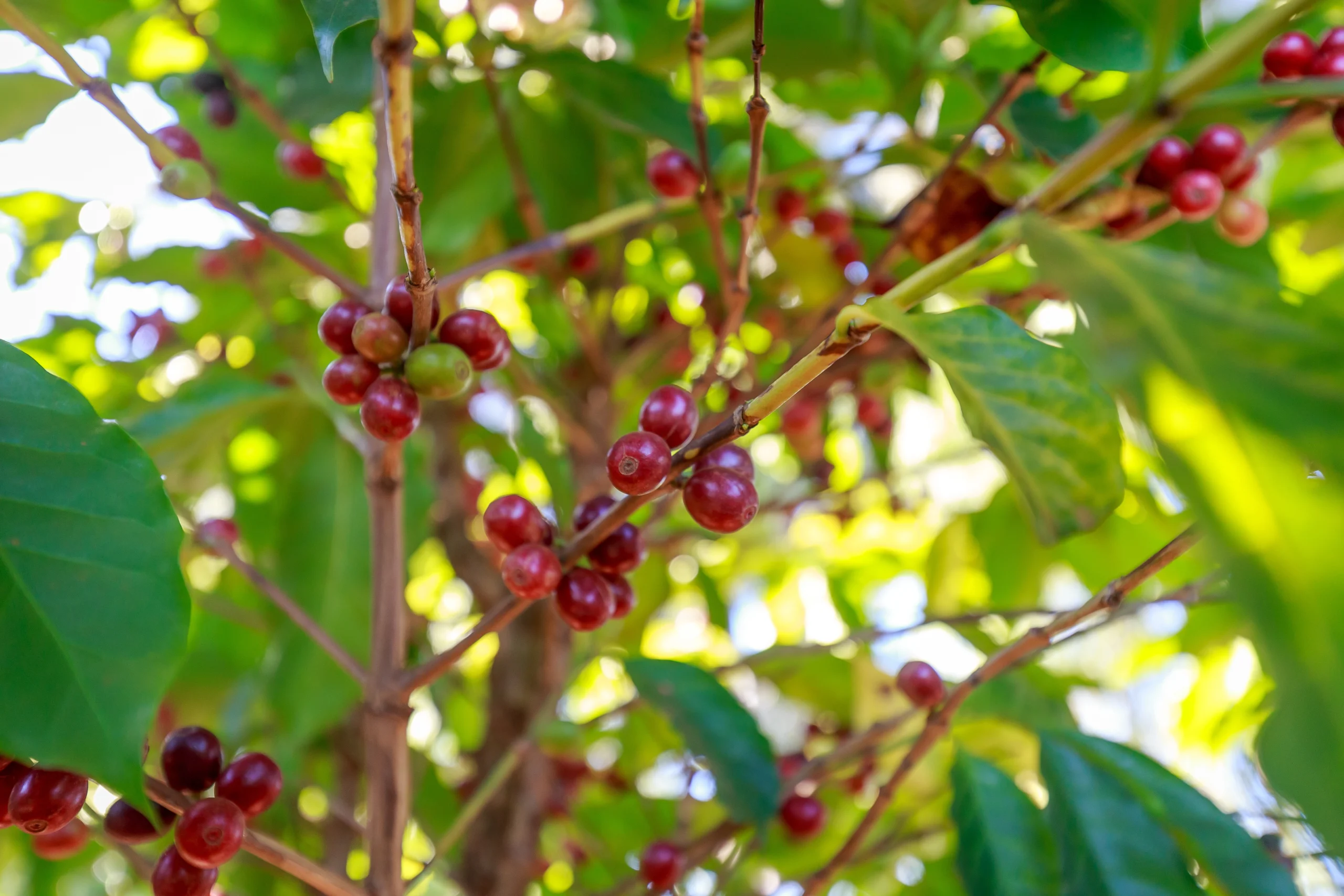
Brazil is often introduced through scale, but specialty coffee is discovered through detail. Region, estate, producer network, maturation, lot separation and processing all change the way a Brazilian coffee should be understood. The most useful question is not “What does Brazil taste like?” but “Which Brazilian coffee is this?”
USDA’s Coffee Annual documents Brazil’s importance in the global coffee sector. That scale is real, yet it should not flatten the country into a single flavour story. A coffee can be Brazilian and still carry a very particular geography, producer relationship and production method. For Eightyplus, an Origins page should provide a clear national introduction without making a promise that every coffee will taste alike. Use it to invite visitors into the country. Then use Partner profiles and individual lot information to give the cup its actual context.
Start by identifying the country and region. Next, look for the producer or producer group, plus any farm or plot name. Then check what is verified about variety, process, harvest and roasting. Use tasting notes as a guide for exploration, not a permanent rule for an entire country. This structure also makes better website content. The Origins page stays helpful for discovery; the Partner profile proves the relationship; the product or lot page carries the specific technical data. Each page has a clear job, and the visitor never has to guess which story they are reading.
Scale does not erase specificity